Rehab Done
Differently
We help you bridge the gap from injury to performance and get back to the things you love to do.
Rehab done
Differently
We help you bridge the gap from injury to performance and get back to the things you love to do.
Treatment
Injury & Pain Rehab
We focus on crafting solutions for pain and injury through careful assessment, patient education, hands-on techniques, and progressive exercise based treatment.
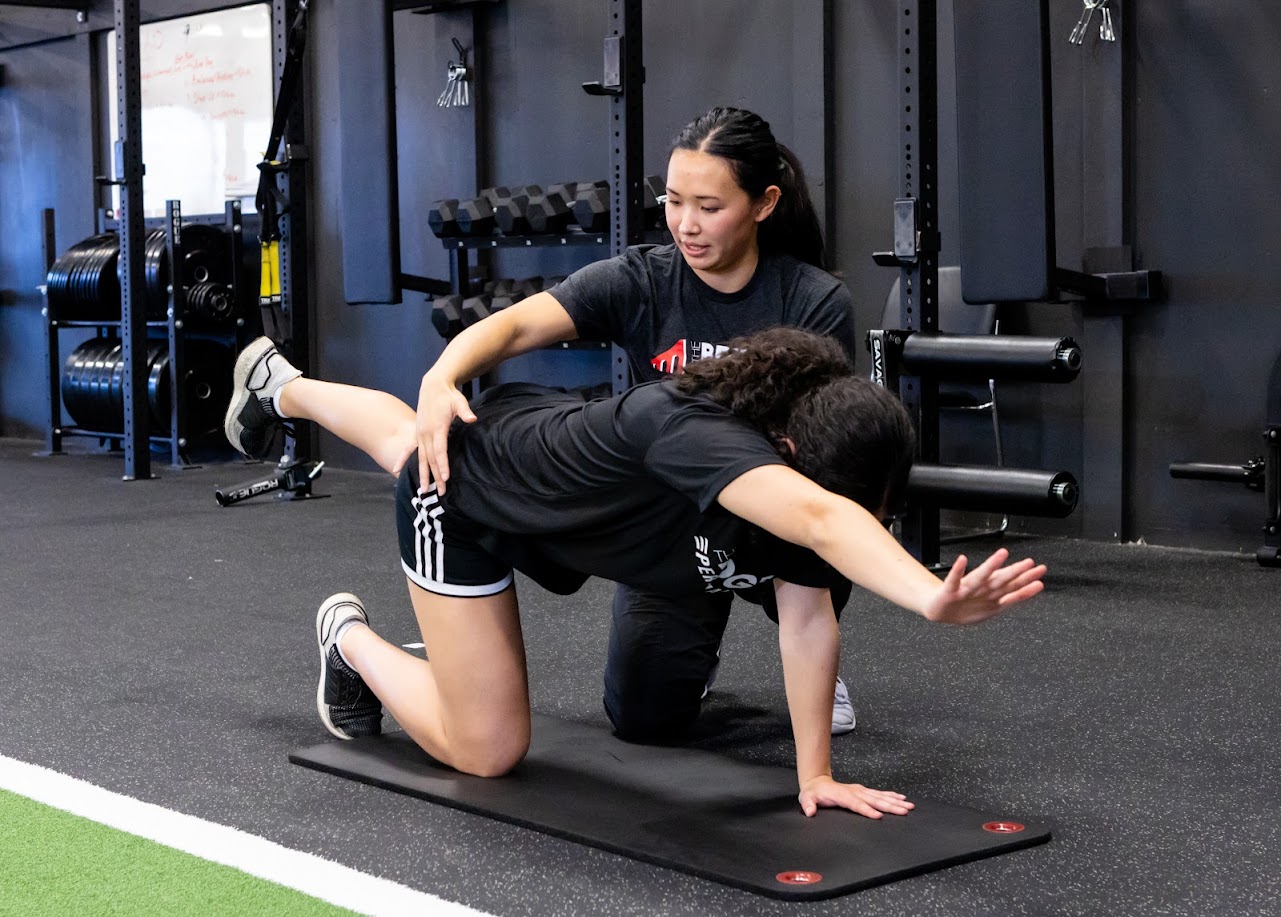

Training
Elevate Your Performance
Work with our multidisciplinary team of rehab professionals and strength coaches to push through performance plateaus, redefine your personal limits, and take your game to new heights.
Training
Elevate Your Performance
Work with our multidisciplinary team of rehab professionals and strength coaches to push through performance plateaus, redefine your personal limits, and take your game to new heights.
OUR PROMISE
Evidence-based, results-driven care for lifestyles fuelled by movement
Whether you’re coming in for injury rehab, to resolve chronic pain, or you want to push through a performance plateau, our goal is to equip you with the knowledge and confidence to become the expert in your own rehabilitation or performance journey.
Our Locations
Sherwood Park
Lethbridge
Millennium Place
South Edmonton
OUR SERVICES
ALL OF THE WAYS WE CAN HELP to keep YOU MOVING
OUR
PROCESS
MANAGE PAIN
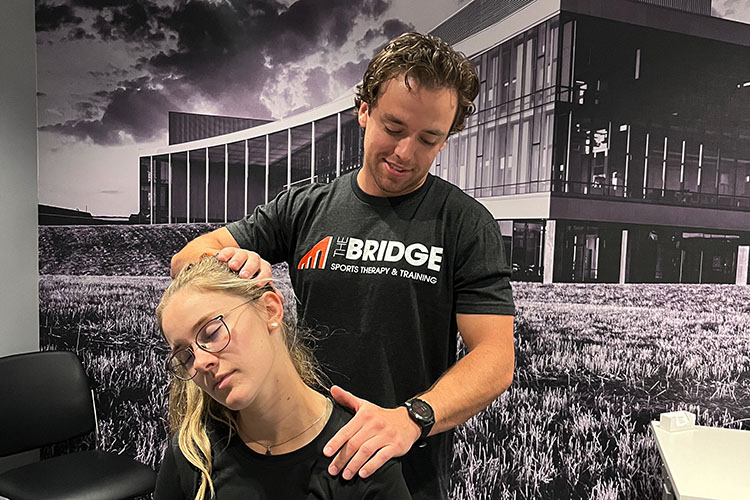
No matter the injury or limitation you’re facing, the first step is to manage and relieve the painful symptoms and educate you on the plan moving forward.
OUR
PROCESS
BUILD CAPACITY
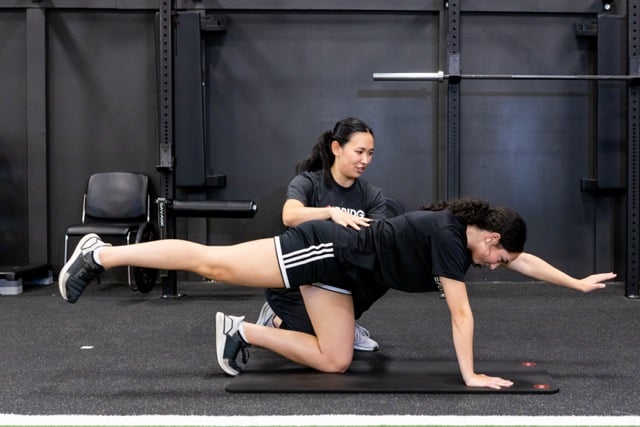
Once we’ve managed the symptoms, the fun part starts. We build a progressive exercise program in order to increase your body’s capacity to tolerate the demands of your life and sport.
OUR
PROCESS
DEVELOP RESILIENCE
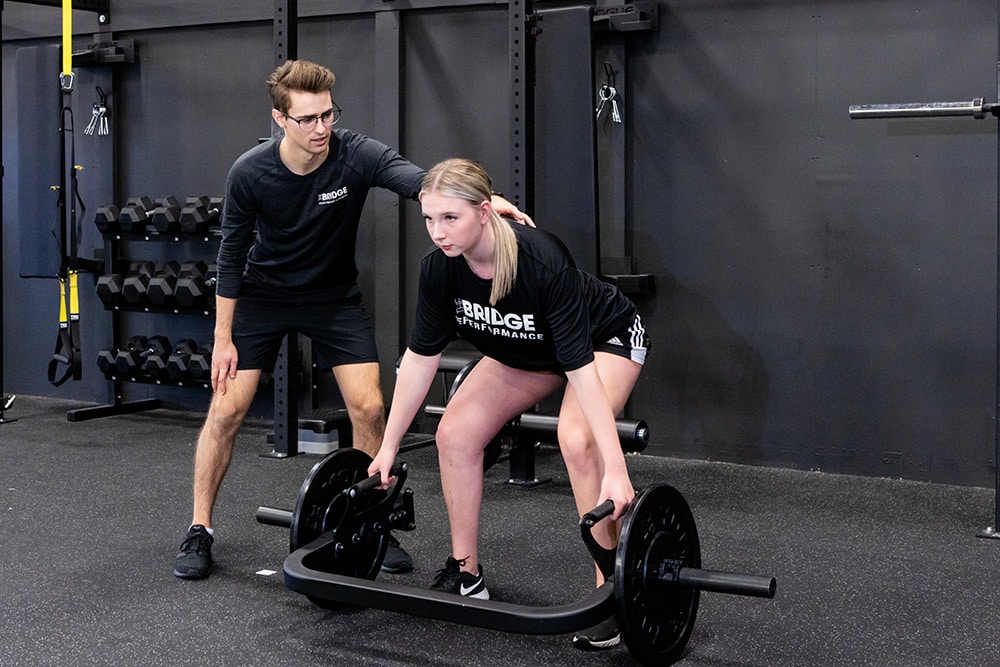
Our coaches then introduce higher level strength and mobility work to make sure you leave even stronger than your pre-injury baseline.
OUR SERVICES
ALL OF THE WAYS WE CAN HELP to keep YOU MOVING